
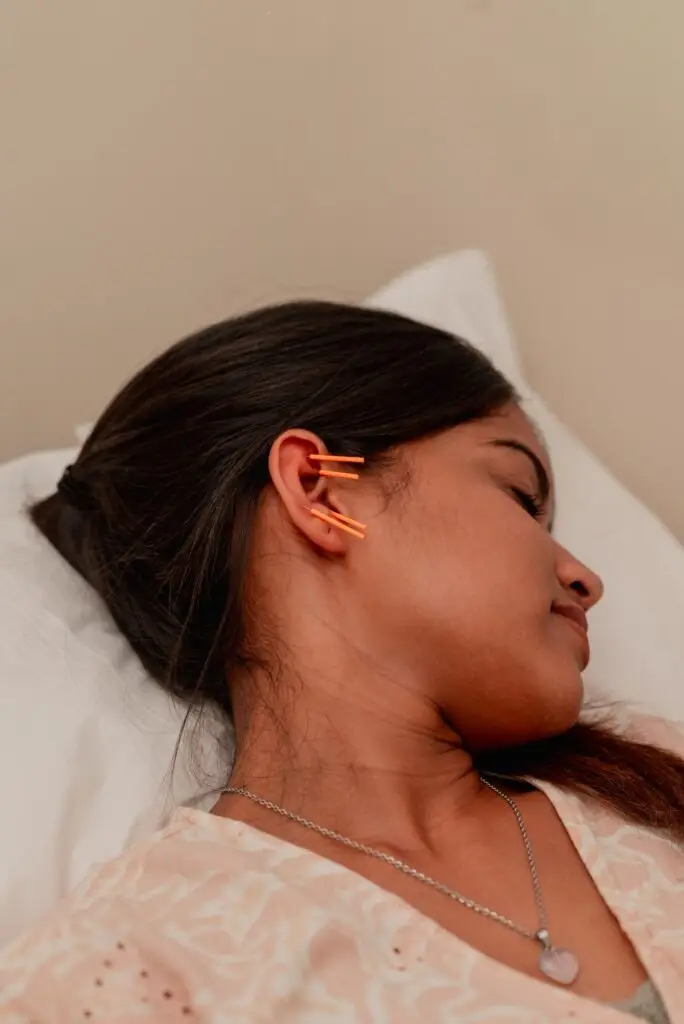
Auricular Acupuncture: A Small Area with a Thoughtful Role in Care
The ear may seem an unlikely place to begin a therapeutic treatment.
Yet auricular acupuncture has been used within traditional and integrative health settings for pain, relaxation, sleep support and wider wellbeing. Rather than treating the ear as an isolated part of the body, practitioners stimulate carefully selected points as one element of a broader, personalised care plan.
At Olive Creek, auricular acupuncture is not presented as a cure or a stand-alone answer. It may be used alongside consultations, restorative therapies, movement, nourishment and appropriate medical care when it suits the individual.
What Is Auricular Acupuncture?
Auricular acupuncture is a form of acupuncture focused on specific areas of the external ear.
Treatment may involve very fine needles, small ear seeds or gentle pressure applied to selected points. The choice of method depends on the practitioner’s approach, the guest’s needs and whether needle-based treatment is appropriate.
Auricular practice is based on a therapeutic model in which the ear is viewed as a microsystem. Different points are traditionally associated with broader physical and emotional functions.
This model should not be interpreted as a literal anatomical map in which each ear point has been proven to control a particular organ. It is better understood as a traditional framework used to guide treatment.
A Focused Form of Acupuncture
Conventional acupuncture may involve points across several areas of the body. Auricular acupuncture concentrates on the ear, which makes the treatment relatively contained and easy to combine with other forms of care.
A session may form part of a longer consultation or be offered alongside massage, counselling, meditation or another restorative therapy.
The treatment remains personal. Two people seeking support for similar concerns may not receive exactly the same selection of points or the same method of stimulation.
At Olive Creek, this reflects the wider philosophy of personalised residential wellness care: listen first, understand the wider context and only then recommend what may be useful.
What Does the Research Suggest?
Research into auricular acupuncture is growing, but the evidence is not equally strong for every claimed use.
Some studies suggest that auricular acupuncture or acupressure may help reduce certain forms of pain. Reviews discussed by the US National Center for Complementary and Integrative Health have found encouraging results for chronic back pain and cancer-related pain, although findings differ across techniques and study quality. A separate review of the “battlefield acupuncture” method did not find a clear overall benefit when compared with sham treatment or usual care.
This means the fairest position is neither dismissal nor exaggeration.
Auricular acupuncture may be useful for some people, particularly as part of a wider pain-management plan, but it should not be promoted as a guaranteed treatment.
Guests living with persistent physical discomfort can learn more about Olive Creek’s broader Chronic Pain Management Retreat.
Pain and Physical Tension
Pain is one of the better-known reasons people explore acupuncture.
Auricular treatment may be considered alongside bodywork, supported movement, relaxation practices and conventional medical care. Its role will depend on the nature of the pain, previous assessment and the person’s response.
Some guests value the treatment because it is focused and does not require vigorous movement. Others may prefer or respond better to full-body acupuncture or another form of therapy.
The aim is not simply to pursue a lower pain score during one session. It is to consider whether the treatment contributes to greater comfort, improved rest or better participation in the wider programme.
Stress and Emotional Wellbeing
Auricular acupuncture is sometimes incorporated into programmes for stress, emotional strain and nervous-system support.
A quiet session may create an opportunity to lie still, reduce stimulation and focus on the present moment. Some people describe feeling more settled afterwards, although subjective experiences vary.
It is difficult to separate the possible effect of point stimulation from the wider therapeutic setting: a calm room, attentive care and permission to stop can all influence the experience.
This does not make the treatment meaningless. It simply means claims should remain measured.
Within Olive Creek’s Burnout & Stress Recovery Retreat and Mental & Emotional Healing Retreat, acupuncture may sit alongside counselling, meditation, breathwork, nourishment and genuine time away from daily pressure.
Auricular Acupuncture and Sleep
Some studies suggest that auricular acupuncture or auricular acupressure may support sleep, but much of the available research is small or of limited quality.
The NCCIH notes that findings are encouraging enough to justify further investigation, but not strong enough to present auricular acupuncture as a reliable treatment for insomnia.
Sleep difficulty can have many causes, including stress, pain, medication, health conditions, environmental factors and disrupted routines.
A treatment applied to the ear should therefore not be viewed in isolation. At Olive Creek, sleep support may also involve a more regular daily rhythm, quieter evenings, appropriate body therapies, meditation and attention to the condition affecting rest.
Addiction Recovery and Cravings
Auricular acupuncture has a long history of use in some addiction-recovery settings.
It has been offered as a complementary practice intended to support calm, engagement and emotional regulation during treatment. However, research into its effect on cravings, substance use and treatment retention has produced mixed results.
A US Department of Veterans Affairs evidence review found no clear difference between acupuncture and sham treatment for several opioid-related outcomes, including cravings and retention in treatment.
Auricular acupuncture should therefore never be presented as a treatment for addiction on its own.
It does not replace medical assessment, psychological care, structured rehabilitation or medically managed withdrawal where these are required. Its possible role is supportive, within a properly supervised and more complete programme.
Needles, Ear Seeds and Gentle Pressure
Auricular treatments are not always performed in the same way.
Fine, sterile acupuncture needles may be placed temporarily in selected areas of the ear. Some methods use very small semi-permanent needles designed to remain in place for a limited period.
Ear seeds are a non-penetrating alternative. Small seeds or beads are attached to the outer ear with adhesive tape, allowing the person to apply light pressure between appointments if instructed to do so.
A practitioner may also use manual pressure or another non-needle technique.
These approaches should not automatically be treated as interchangeable. The evidence, intensity and safety considerations can differ, and the most appropriate method should be selected by a trained practitioner.
What to Expect During a Session
The process should begin with a conversation rather than immediate treatment.
The practitioner may ask what support you are seeking, whether you have received acupuncture before and whether you have any health conditions, medication, allergies or skin concerns that could affect the session.
The ear is examined and the selected areas are cleaned. Needles, seeds or pressure are then applied according to the agreed approach.
You may feel brief sensitivity, warmth, pressure or a small prick. The experience should not be intensely painful.
During a needle-based session, you will usually remain still for a period while the treatment takes place. The exact duration and number of points vary.
A single session may feel calming, but it is not possible to predict how any individual will respond or whether repeated treatment will be recommended.
Is Auricular Acupuncture Safe?
Acupuncture is generally considered to have a good safety record when performed correctly by an appropriately trained practitioner using sterile, single-use needles.
Poor technique or non-sterile equipment can lead to infection and other complications. Temporary discomfort, minor bleeding, bruising or tenderness around the treatment point may also occur.
Before treatment, tell the practitioner if you:
- Are pregnant or may be pregnant
- Take anticoagulant or blood-thinning medication
- Have a bleeding disorder
- Have an infection, injury or skin condition affecting the ear
- Have experienced fainting during previous needle procedures
- Use an implanted medical device
- Are receiving treatment for a significant medical or psychological condition
Auricular acupuncture should not delay investigation of new, severe or worsening symptoms.
The Importance of Professional Assessment
A treatment can be gentle and still require professional judgement.
Auricular acupuncture may not be appropriate for every guest or every stage of a programme. Its inclusion should take account of the person’s health, medication, treatment history and wider care needs.
This is especially important where someone is living with chronic pain, recovering from illness, experiencing significant emotional distress or receiving other medical treatment.
At Olive Creek, complementary practices are intended to work alongside suitable medical and therapeutic care rather than compete with it. This considered integration is part of the approach guided by Dr Siddick Maudarbocus and the Olive Creek team.
Auricular Acupuncture at Olive Creek
The existing Olive Creek programme framework includes acupuncture within several residential retreats, particularly those focused on stress, emotional wellbeing, persistent pain and recovery.
Where suitable, auricular acupuncture may be used as one part of that support.
It may accompany:
- Counselling or guided reflection
- Meditation and breathwork
- Ayurvedic body therapies
- Restorative movement
- Pain-management support
- Consistent nourishment and rest
The treatment is never intended to carry the entire programme.
Its value lies in how it fits within the wider experience and whether it supports the needs of the person receiving it.
A Small Intervention, Carefully Considered
The appeal of auricular acupuncture lies partly in its simplicity.
It focuses on a small area and can be introduced without turning the day into another demanding schedule. For some guests, it may offer a useful moment of physical ease, quiet or greater participation in the rest of their programme.
The most responsible approach is to remain open without promising too much.
Auricular acupuncture has interesting therapeutic potential, particularly for certain pain-related concerns. Evidence for several other uses remains limited or mixed.
At Olive Creek, the question is not whether one treatment can solve everything.
It is whether that treatment has an appropriate and meaningful place within the care of one particular person.
Explore Olive Creek’s residential wellness retreats in Mauritius or begin an enquiry to discuss which programme may suit your needs.