The Healing Power of Yoga: Movement, Breath and a Quieter Mind
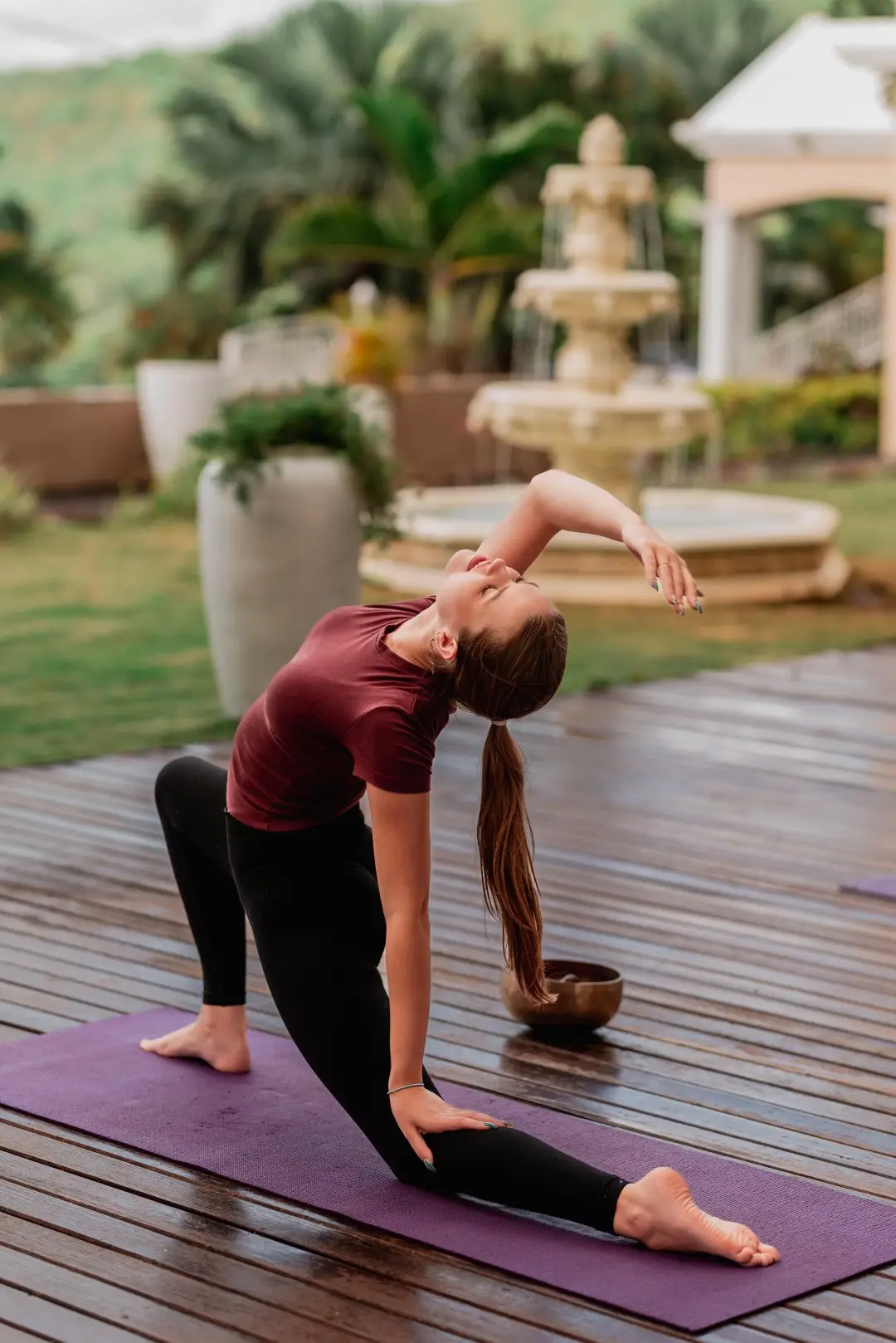
Yoga is often introduced through its physical postures, yet its value reaches far beyond flexibility.
At its heart, yoga brings movement, breathing and focused attention into one practice. It offers a way to notice the body more clearly, soften the pace of thought and reconnect with the present moment.
For some people, yoga provides gentle physical activity. For others, it becomes a steady ritual for managing stress, rebuilding confidence in movement or creating a quieter transition between the demands of the day.
Its power does not lie in achieving the perfect pose. It lies in learning to pay attention.
What Is Yoga?
Yoga developed in India as a broad philosophical and contemplative tradition. Modern practice often combines physical postures, breathing techniques and meditation, although styles and levels of intensity differ considerably.
Some forms are active and physically demanding. Others use slow movement, supported positions and longer periods of rest.
This adaptability is one of yoga’s strengths. A meaningful practice does not need to be fast, advanced or visually impressive. It can be shaped around the individual, their present energy and what their body can comfortably manage.
At Olive Creek, yoga is approached in this spirit. It is not treated as another task to complete. Where included within a programme, it becomes part of a wider rhythm of nourishment, therapeutic care, rest and personal guidance.
More Than Flexibility
The public image of yoga often focuses on complicated poses and highly flexible bodies.
That can make the practice feel inaccessible before someone has even begun.
In reality, yoga can be as simple as moving gently with the breath, noticing where the body holds tension and spending a few quiet minutes without needing to achieve anything.
Regular practice may support general wellbeing, stress management, balance, sleep and mental or emotional health. Research also suggests possible benefits for certain forms of neck pain, low-back pain and other persistent discomfort, although results vary and yoga should not be presented as a cure.
The goal is not to force the body into a shape.
It is to develop a more attentive relationship with it.
The Connection Between Movement and Breath
Breathing happens automatically, but the pace and quality of the breath can change when a person feels rushed, tense or overwhelmed.
Yoga brings deliberate attention back to breathing.
Slow movement coordinated with a comfortable breath can make a practice feel steadier and less reactive. It also gives the mind something immediate to focus on, rather than allowing attention to remain caught in worries, deadlines or mental noise.
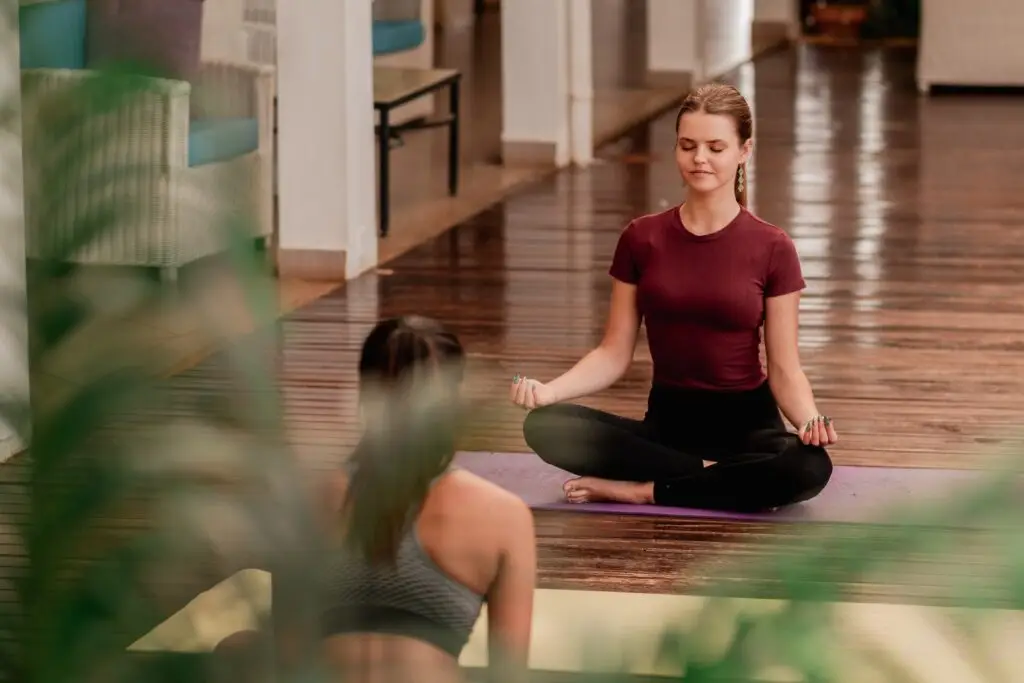
This is one reason yoga sits naturally alongside meditation and breathwork within Olive Creek’s residential programmes.
The three practices are not identical, but they share an invitation: pause, notice and respond with greater awareness.
Guests seeking time away from prolonged pressure may encounter these practices within the Burnout & Stress Recovery Retreat or the Mental & Emotional Healing Retreat.
Creating Space Around Stress
Stress is not experienced only through thought.
It may be felt through tense shoulders, a clenched jaw, shallow breathing, poor sleep or the sense that the body never fully settles.
Yoga cannot remove the circumstances creating stress. It can, however, offer a structured moment in which the body is no longer being asked to rush, respond or perform.
Research reviewed by the National Center for Complementary and Integrative Health suggests yoga may help with perceived stress, mental wellbeing and sleep in some populations. The evidence is encouraging, but the effects differ between individuals and styles of practice.
At Olive Creek, this makes yoga useful not as a dramatic intervention, but as part of a gentler daily rhythm.
A quiet session in the morning may help someone begin the day with greater awareness. A restorative practice later may create a softer transition into rest.
The benefit is often found in repetition rather than intensity.
Rebuilding Confidence in Movement
Persistent pain, injury or prolonged inactivity can change the way a person relates to movement.
Some begin to avoid activity because they fear aggravating their symptoms. Others do too much on a better day and then withdraw completely during a flare-up.
Carefully adapted yoga may offer a middle ground.
A slower practice can help a person explore movement without the competitive atmosphere that sometimes surrounds exercise. The emphasis can remain on comfort, control, breathing and awareness rather than range or intensity.
Studies suggest yoga may provide a small benefit for some people with chronic low-back pain and may support balance and physical function, although it is not necessarily more effective than other suitable forms of exercise.
Within the Chronic Pain Management Retreat, movement should always be considered alongside the guest’s condition, treatment history and current tolerance.
Yoga is not about pushing through pain. It is about learning how to move with more understanding.
Yoga as Part of Rest and Recovery
A restorative yoga session can look very different from a conventional fitness class.
Positions may be supported. Movements may be small. Much of the practice may take place seated or lying down, with time allowed for breathing and rest.
This can be particularly valuable for guests who arrive feeling exhausted or overstimulated.
The Rest & Rejuvenation Retreat uses a gentle rhythm rather than an intensive treatment schedule. Where appropriate, restorative movement may complement massage, nourishing meals and quiet time without turning rest into another programme of achievement.
Doing less can still be a form of meaningful participation.
Yoga and Ayurveda
Yoga and Ayurveda developed within related Indian traditions, but they are not the same practice.
Ayurveda considers constitution, nourishment, lifestyle, environment and present balance. Yoga offers physical, breathing and contemplative practices that may support the direction of that care.
Within an Ayurvedic retreat, the style and intensity of yoga should therefore reflect the individual.
Someone who feels depleted may benefit from a slower and more grounding practice. Another person may be ready for greater movement and stimulation. The practice can change as the guest’s energy and programme evolve.
This personalised approach is especially relevant within the Signature Panchakarma Retreat, where movement, meals, therapies and rest are considered as connected parts of the wider experience.
You can explore this philosophy further in The Essence of Ayurveda.
You Do Not Need to Be “Good” at Yoga
Yoga is not a performance.
There is no requirement to be flexible, spiritual, experienced or naturally calm.
A person can begin with stiffness, uncertainty or a busy mind. These are not barriers to the practice. They are simply part of the experience being noticed.
The most appropriate version of a posture may involve a smaller movement, a chair, a cushion or choosing not to perform it at all.
At Olive Creek, the practice should meet the guest where they are.
The purpose is not to compare one body with another. It is to create a safe, attentive space in which movement and stillness can both be explored.
Practising Yoga Safely
Yoga is generally considered safe for healthy people when practised appropriately, but injuries can occur. Qualified guidance and sensible modifications are especially important for beginners, older adults and people with health conditions.
Speak to an appropriate healthcare professional and the yoga instructor before practising if you are pregnant, recovering from surgery or living with an injury, significant balance difficulty, spinal condition, severe high blood pressure or another relevant health concern. Some postures and breathing practices may need to be adapted or avoided.
Yoga should not be used to delay medical assessment or replace necessary treatment.
A safe practice respects the body’s signals. Pain, dizziness or distress are reasons to stop and seek guidance, not evidence that the practice is working.
Bringing the Practice Home
The value of yoga does not depend on completing a long class every day.
A sustainable practice may begin with ten quiet minutes.
It could involve gentle stretching after waking, a few slow movements between periods of sitting or a simple breathing practice before bed.
Consistency matters more than complexity.
The aim is not to recreate the full retreat schedule at home. It is to carry forward one or two practices that still make sense within ordinary life.
Over time, these small moments can become a way of noticing when tension is building, when rest is needed or when the pace of the day has begun to feel unsustainable.
A Practice of Returning
Yoga does not promise a life without discomfort, pressure or uncertainty.
What it can offer is a way of returning.
Returning to the breath. Returning to the body. Returning to the present moment before the mind moves on to the next demand.
Within a retreat, that practice is supported by time, quiet surroundings and fewer interruptions. At home, it may become a small ritual that helps protect the steadier rhythm discovered during the stay.
Explore Olive Creek’s residential wellness retreats in Mauritius or begin an enquiry to discuss which programme may be most appropriate for you.